

The Healing Power of Reflexology Therapy: Discover the Benefits of Reflexology
Reflexology therapy has been gaining popularity as a natural and holistic approach to health and wellness. This ancient practice involves applying pressure to specific points on the feet, hands, or ears, which correspond to different organs and systems in the body. Many people turn to reflexology to relieve stress, reduce pain, and improve overall well-being. In this article, we will explore the healing power of reflexology therapy and uncover the many benefits of reflexology that make it a valuable addition to your self-care routine.
Understanding the Benefits of Reflexology
Reflexology is more than just a foot massage. It is a therapeutic technique that stimulates the body's natural healing processes. By targeting reflex points, reflexology can help balance energy flow and promote relaxation. Some of the key benefits of reflexology include:
Stress Reduction: Reflexology helps calm the nervous system, reducing anxiety and promoting a sense of peace.
Pain Relief: It can alleviate headaches, migraines, back pain, and other chronic conditions by improving circulation and releasing tension.
Improved Circulation: Stimulating reflex points encourages blood flow, which supports detoxification and nutrient delivery.
Enhanced Immune Function: Reflexology may boost the immune system by reducing stress hormones and encouraging lymphatic drainage.
Better Sleep: Many people report improved sleep quality after reflexology sessions due to its relaxing effects.
These benefits make reflexology a versatile therapy that complements conventional medical treatments and supports overall health.
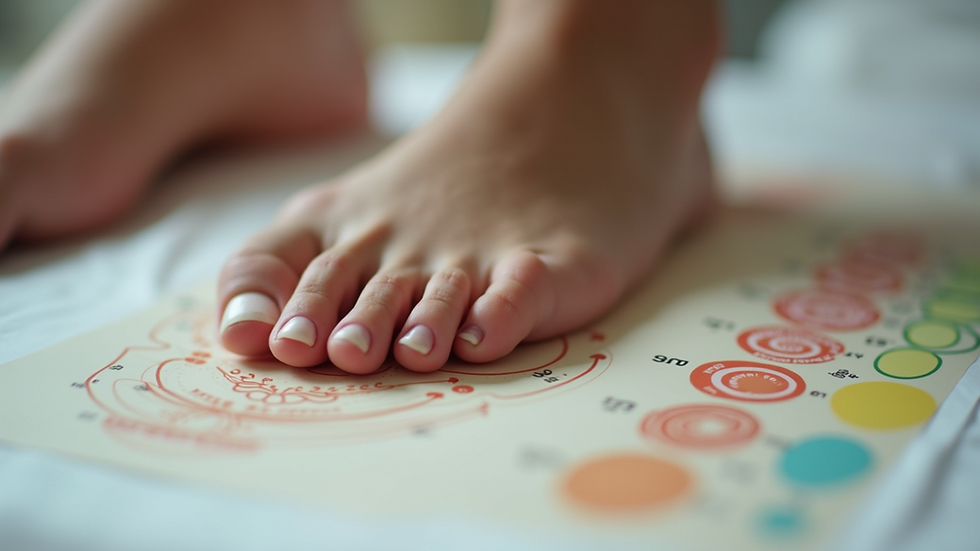
Reflexology targets specific pressure points on the feet to promote healing throughout the body.
How Reflexology Therapy Works
Reflexology is based on the principle that certain points on the feet, hands, and ears correspond to different organs and systems. When these points are stimulated, they send signals to the nervous system, which then triggers a healing response in the body. The therapy involves applying gentle to firm pressure using fingers, thumbs, or specialized tools.
During a session, a reflexologist will assess your health concerns and focus on the relevant reflex points. The pressure applied helps to:
Release blocked energy
Reduce muscle tension
Improve nerve function
Enhance blood and lymph circulation
This process encourages the body to restore balance and heal itself naturally. Reflexology is non-invasive and can be tailored to individual needs, making it suitable for people of all ages.
Practical Applications and Recommendations for Reflexology
If you are considering trying reflexology, here are some practical tips to get the most out of your sessions:
Choose a Qualified Practitioner: Look for a certified reflexologist with experience and good reviews.
Communicate Your Needs: Share any health issues or areas of discomfort before the session begins.
Wear Comfortable Clothing: Loose clothes allow easy access to feet, hands, or ears.
Stay Hydrated: Drinking water after a session helps flush out toxins released during treatment.
Schedule Regular Sessions: Consistency enhances the long-term benefits of reflexology.
Combine with Other Therapies: Reflexology works well alongside massage, acupuncture, or aromatherapy.
You can also practice simple reflexology techniques at home by gently massaging your feet or hands. This can be a great way to reduce stress and promote relaxation between professional treatments.

Reflexology sessions involve targeted pressure to specific points on the feet to stimulate healing.
Exploring the Science Behind Reflexology
While reflexology has been practiced for thousands of years, modern scientific research is still exploring its mechanisms and effectiveness. Some studies suggest that reflexology may influence the autonomic nervous system, which controls involuntary bodily functions such as heart rate and digestion.
Research has also shown that reflexology can:
Reduce cortisol levels, the hormone associated with stress
Improve symptoms of anxiety and depression
Enhance quality of life in patients with chronic illnesses
However, more rigorous clinical trials are needed to fully understand how reflexology works and to establish standardized treatment protocols. Despite this, many people report positive outcomes and improved well-being after reflexology therapy.
Integrating Reflexology into Your Wellness Routine
Incorporating reflexology into your health regimen can be a simple yet effective way to support your body's natural healing abilities. Here are some ideas to help you get started:
Weekly Reflexology Sessions: Book regular appointments to maintain balance and prevent stress buildup.
Self-Care Practices: Use reflexology tools or your hands to massage your feet before bedtime.
Mindfulness and Relaxation: Combine reflexology with deep breathing or meditation for enhanced relaxation.
Holistic Health Approach: Pair reflexology with a balanced diet, exercise, and adequate sleep for overall wellness.
By making reflexology a part of your lifestyle, you can enjoy its calming and restorative effects while promoting long-term health.
Reflexology therapy offers a gentle, natural way to improve your physical and emotional well-being. Whether you seek relief from pain, stress reduction, or enhanced vitality, the benefits of reflexology make it a valuable tool in your wellness arsenal. Explore this ancient healing art and experience the transformative power it can bring to your life.
For more information on this therapy, visit reflexology.


Comments